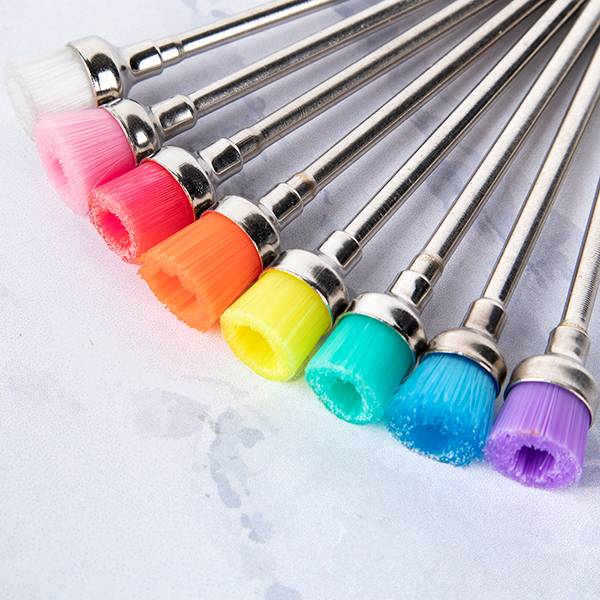
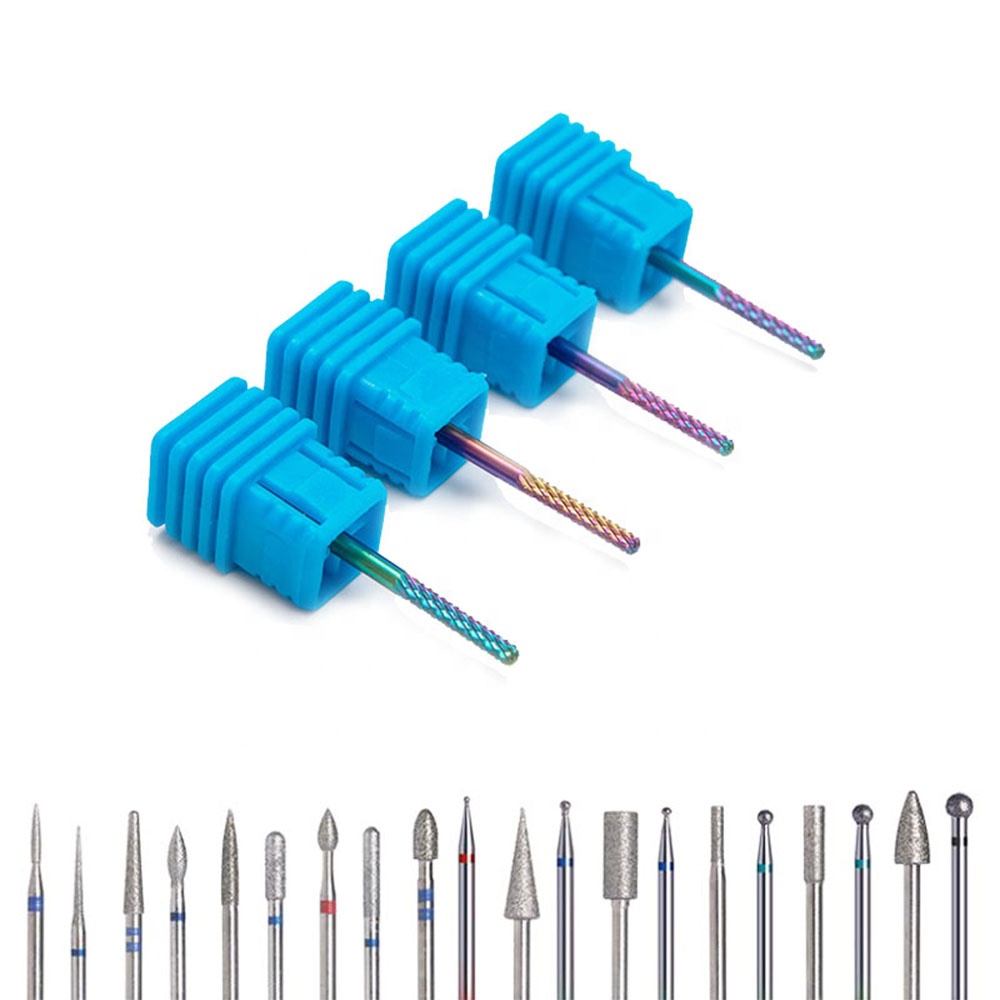
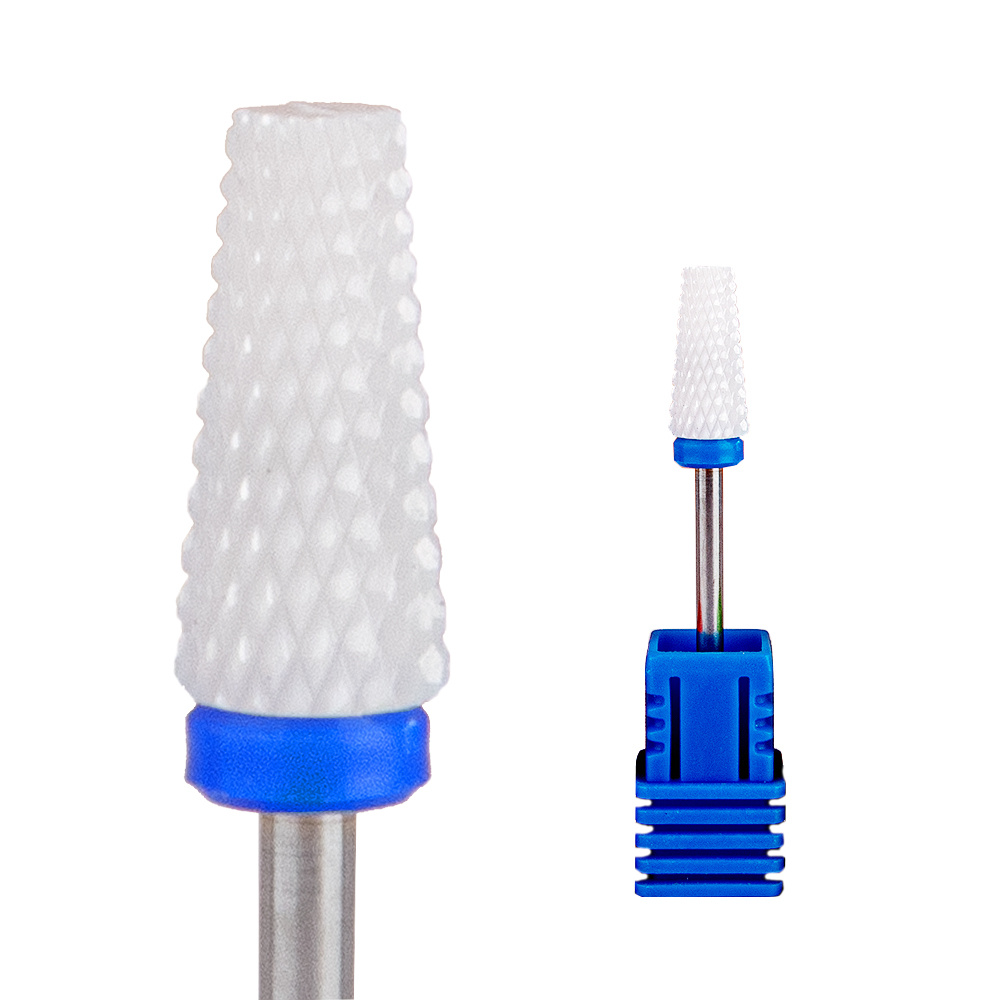
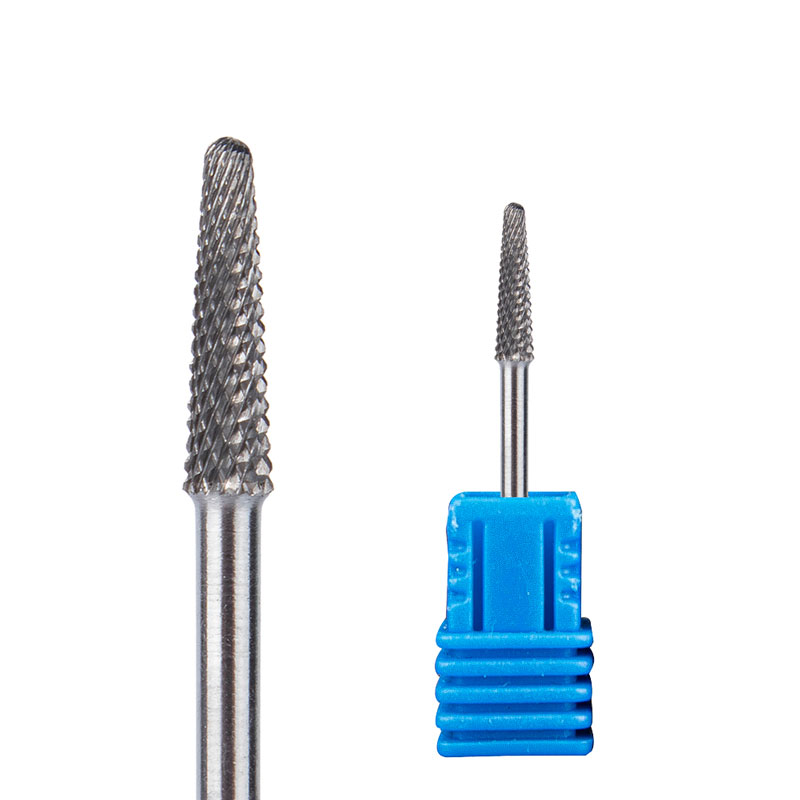
As a buyer always on the hunt for the best tools, I can confidently say that the mani brush is a game changer. Its exceptional design and high-quality bristles ensure a perfect application every time, making it a must-have for any beauty professional. I’ve used many brushes, but the feel and performance of this one stand out. Working with a reliable supplier is crucial, and I’ve found that this supplier consistently delivers top-notch products that meet my demands. The durability of the mani brush means I can rely on it day in and day out without worrying about wear and tear. Whether I’m using it for detail work or blending, this brush has never let me down. If you’re aiming to elevate your beauty toolkit, investing in a mani brush from this supplier is definitely the way to go. Trust me, you won’t regret it.
As we look toward 2025, the global market for mani brushes is poised for transformative growth, driven by both innovation and an increasing demand for high-quality grooming products. The evolving landscape of consumer preferences highlights a shift towards sustainable materials and ergonomic designs. Manufacturers focusing on these elements will not only enhance their product offerings but also build brand loyalty among discerning buyers. Additionally, the rise of e-commerce has revolutionized the way businesses engage with international markets. Streamlined supply chains and digital marketing strategies allow companies to reach procurement professionals worldwide, ensuring that they are informed about the latest trends and product launches. Key advances in production technology will further lower costs without sacrificing quality, thereby providing global buyers with competitive pricing coupled with superior performance. In this dynamic environment, collaboration and partnerships will be essential for success. Businesses that actively seek to align with distributors and retailers who share a commitment to quality and sustainability will lead the charge in shaping the mani brush market. By prioritizing these values, companies can not only meet the existing demands of consumers but also anticipate future trends, securing their place as market leaders heading into 2025 and beyond.
| Market Segment | Growth Rate (%) | Market Share (%) | Key Trends | Challenges |
|---|---|---|---|---|
| Residential | 5.2% | 45% | Eco-friendly materials | Regulatory challenges |
| Commercial | 7.8% | 35% | Automation in production | Competition from imports |
| Industrial | 6.5% | 20% | Technological advancements | High raw material costs |
| Professional | 8.1% | 25% | Trend towards customization | Skilled labor shortage |